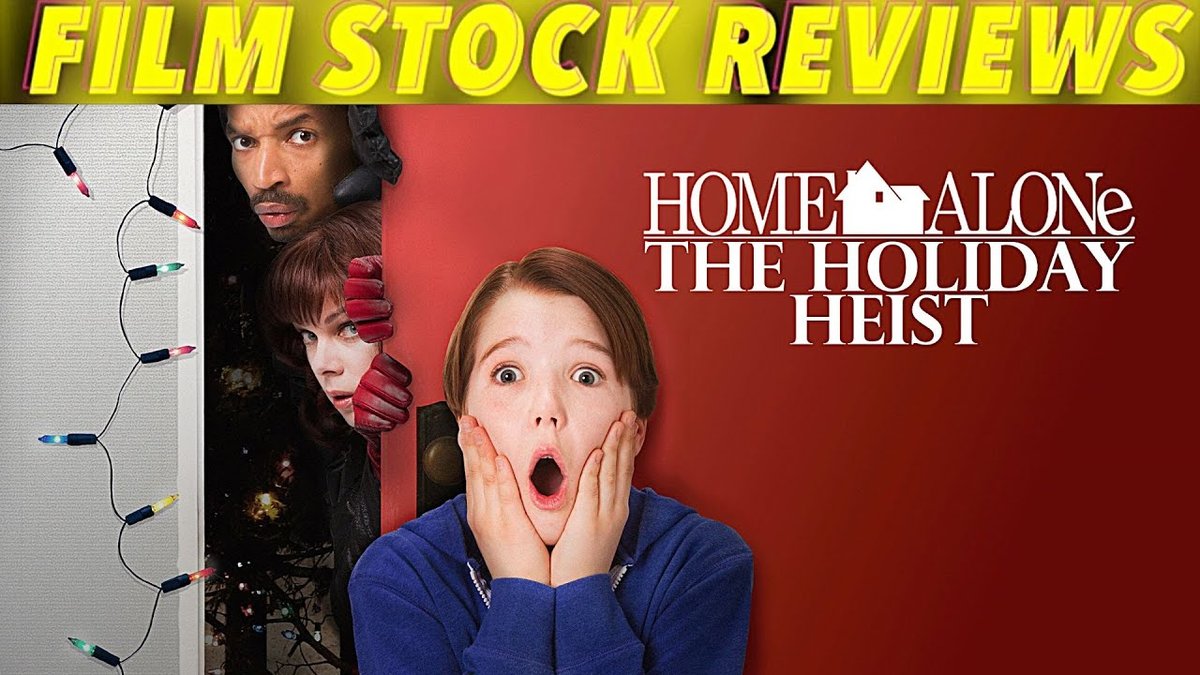
Imagine the pitch meeting: "We're bringing back Home Alone for a seventh installment." The very notion conjures a mix of excitement, nostalgia, and a palpable sense of dread. Re-entering the beloved world of Kevin McCallister and the Wet Bandits for Home Alone 7 isn't just about crafting a new story; it’s about navigating an intricate web of directing and creative challenges that would make even Chris Columbus, the original film's visionary director, raise an eyebrow. From casting a new mischievous mastermind to orchestrating believable booby traps in a CGI-saturated era, the task is Herculean.
At a Glance: What It Would Take for Home Alone 7
- Reimagining the Child Protagonist: Finding a new Kevin McCallister to capture Macaulay Culkin's iconic charm and deliver a fresh, believable performance without feeling like a pale imitation.
- The Modern Booby Trap Dilemma: Escalating the slapstick violence for a contemporary audience while maintaining the original's PG charm and ensuring practical effects still shine over pure CGI.
- Location, Location, Legacy: Deciding whether to use the original Chicago house (with its logistical nightmares) or create a new, equally iconic setting that resonates with fans.
- Winter Wonderland, Real or Fake?: Replicating the authentic snowy Christmas atmosphere, a major challenge even for the original production, with modern expectations and environmental concerns.
- Casting the Villains: Discovering a duo with the comedic timing and physical endurance to succeed legends like Joe Pesci and Daniel Stern, while crafting a fresh, menacing-yet-bumbling dynamic.
- Balancing Nostalgia and Innovation: Crafting a narrative that honors the heart and humor of the 1990 classic while introducing new elements that justify its existence to a discerning audience.
The Unavoidable Shadow of a Classic: Setting the Bar for Home Alone 7
Thirty years after its debut, Home Alone remains a festive staple, a testament to Chris Columbus's masterful direction, John Hughes's witty script, and Macaulay Culkin's unforgettable performance. With a modest budget of approximately $18 million, the 1990 film became a global phenomenon, setting an impossibly high bar for any successor. For a hypothetical Home Alone 7, the first, and perhaps greatest, creative challenge is the sheer weight of this legacy. How do you honor the original's magic without merely rehashing it, and how do you introduce a new chapter that feels both fresh and fundamentally "Home Alone"?
The original film wasn't just about a kid defending his house; it was about heart, family, and the imaginative triumph of a child against the odds. Any director stepping into the Home Alone 7 universe would immediately grapple with this foundational ethos. Recreating the warmth and genuine laughs, rather than relying solely on bigger, louder gags, would be paramount.
Filming Logistics in a Modern Winter Wonderland (or Lack Thereof)
One of the most enduring elements of the original Home Alone is its quintessential snowy Christmas backdrop. Yet, achieving this winter wonderland was a significant logistical hurdle for the 1990 crew, a challenge that would only be amplified for Home Alone 7.
Chris Columbus's team faced the impracticality of filming during actual winter months (February to May 1990) due to scheduling and cost. Their solution? A brilliant blend of practical effects and clever cinematography. We're talking liberal applications of fake snow made from biodegradable materials like paper or starch. Even a real snowstorm occurring two days into shooting became an opportunity, quickly supplemented by potato flakes for flurries and later, snow machines and shaved ice to maintain continuity once the real snow melted.
For Home Alone 7, a director would confront similar, if not greater, environmental and audience expectations. With increasing scrutiny on authenticity and sustainability, the choice between practical effects (time-consuming, expensive, weather-dependent) and CGI (potentially sterile, costly at scale) becomes a tightrope walk. Capturing that authentic, crisp winter feel without it looking artificial is a directing tightrope act. Imagine the pressure to deliver that iconic snowy opening sequence—the details matter.
The "Real" McCallister House: Control vs. Authenticity
The McCallister home at 671 Lincoln Avenue in Winnetka, Illinois, is as iconic as Kevin himself. The original production spent five months filming at this actual 5-bedroom, 6-bathroom property. The owners, John and Cynthia Abendshien, even stayed on premises, a detail that allowed the crew remarkable freedom, including knocking down walls, knowing the owners were there to approve or supervise.
For Home Alone 7, a director would face a crucial decision: return to the original house, or construct an entirely new one on a soundstage?
- Returning to the original: Offers undeniable authenticity and a direct connection to the franchise's roots. However, modern property owners might not offer the same unprecedented access or willingness to alter their home, leading to increased costs, insurance complexities, and potential creative limitations.
- Building a new set: Provides complete creative control over lighting, temperature, and structural integrity, mirroring the original film's interior scenes that were primarily shot on a soundstage. But it risks losing that palpable sense of "home" that anchored the 1990 movie. The choice directly impacts the film's visual identity and its ability to evoke nostalgia versus building something new.
Even back then, interiors were largely on a soundstage for control. This blend of real exteriors and controlled interiors is a delicate balance a Home Alone 7 director would need to master for practical and aesthetic reasons.
Casting Kevin (and the Wet Bandits) for a New Generation
This is arguably the greatest creative challenge for Home Alone 7. Macaulay Culkin's Kevin McCallister isn't just a character; he's an archetype.
The Culkin Conundrum: How Do You Replace an Icon?
Director Chris Columbus always had Macaulay Culkin in mind for Kevin, a recommendation from John Hughes. Finding a new child actor who can carry a major studio film, possess that unique blend of vulnerability and mischievous wit, and resonate with a new generation without directly imitating Culkin, is a monumental task.
The director would need to scout hundreds, if not thousands, of child actors. Beyond raw talent, managing a child star comes with its own set of rules and responsibilities. Culkin, at 10 years old during filming, couldn't be on set past 10 pm. This meant Chris Columbus himself sometimes stood in for Kevin in night scenes, acting alongside the "Wet Bandits." For Home Alone 7, modern child labor laws and safeguarding protocols would be even more stringent, requiring meticulous scheduling and a deep understanding of how to get the best performance in limited time. This places immense pressure on the director to be efficient and nurturing.
Behind the Scenes with the Bad Guys: Preserving the Antagonism
The dynamic between Kevin and the Wet Bandits is pure gold. Joe Pesci (Harry) and Daniel Stern (Marv) were perfectly cast, but their performances weren't accidental. Pesci, for example, intentionally limited his interactions with Macaulay Culkin during filming to preserve the adversarial dynamic between their characters on screen. This method acting created a palpable tension that paid off. It's rumored that Robert De Niro was briefly considered for the role of Harry before Pesci accepted—a testament to the caliber of talent the role demanded.
For Home Alone 7, a director faces the challenge of casting a new villainous duo that can deliver physical comedy, genuine menace, and a unique rapport. Would the new actors adopt similar methods? Could they develop that lightning-in-a-bottle chemistry? Replicating or innovating on this dynamic is crucial. The creative team would need to find actors who not only understand the slapstick but also the underlying desperation and bumbling incompetence that makes the Wet Bandits so endearing despite their villainy.
The Art of Painful Comedy: Stunts, Safety, and the PG Rating
The booby traps are the heart of Home Alone's action. From hot doorknobs to swinging paint cans, they’re hilariously painful. But behind the laughs, there were real challenges and even injuries. Joe Pesci sustained "serious burns to the top of my head" during the scene where Harry's hat is set on fire. Daniel Stern reportedly found stepping on Christmas ornaments quite painful, despite protective padding. Catherine O'Hara, playing Kevin's mom, even acted alongside a tennis ball on a stand (at kid's head height) for close-ups when younger cast members weren't on set.
For Home Alone 7, the director and creative team would face immense pressure to deliver even more ingenious and outrageous booby traps, all while navigating heightened safety standards and an audience desensitized by CGI spectacles.
- Escalation vs. believability: How do you make traps more extreme without pushing into excessive violence or losing the practical, Rube Goldberg-esque charm of the original? Too much CGI could strip away the tactile reality that made the original's stunts so effective.
- Safety first: Modern film productions prioritize stunt safety more than ever. Every falling paint can, every blowtorch to the head, every icy stair would require meticulous planning, specialized stunt teams, and potential digital enhancement to ensure actor safety while still looking genuinely impactful. This balancing act of comedic impact and real-world safety is a directing masterclass in itself.
The creative team would need to think beyond simple traps, integrating them into a narrative that justifies their presence and showcases Kevin's evolving ingenuity.
Creative Vision: Balancing Nostalgia with Freshness
Any Home Alone 7 would require a director with a clear, innovative vision that respects the past without being beholden to it.
The Director's Chair: Chris Columbus's Blueprint
Chris Columbus brought a specific warmth and family-centric approach to the original film. His blueprint emphasized character development alongside slapstick. A new director would need to understand this blend. The creative challenge lies in deciding: does Home Alone 7 maintain the exact formula (child left alone, defends house from burglars), or does it evolve the premise for a modern era? Perhaps the "threat" isn't just burglars, but something new entirely, playing on current societal anxieties or technological advancements. The director must ensure the story resonates, not just as a rehash, but as a compelling new chapter.
Score and Soundtrack: Beyond John Williams' Iconic Themes
John Williams's score for Home Alone is instantly recognizable, evoking Christmas cheer and playful tension. It's an integral part of the film's identity. For Home Alone 7, the creative team would need to address the musical legacy. Does a new composer attempt to mimic Williams's style, integrate existing themes, or forge an entirely new soundscape? The score, much like the plot, must strike a balance between familiar comfort and fresh innovation to avoid sounding derivative.
Budget, Expectations, and the Child Star's Journey
The original Home Alone was a financial success that defied expectations, launching careers and cementing a place in cinematic history. For Home Alone 7, the stakes would be considerably higher.
The Original Investment: $18 Million for a Timeless Hit
The initial $18 million budget for the 1990 film was a wise investment. Today, a similar production would command a budget many times that amount due to inflation, higher talent fees, advanced production techniques, and increased marketing spend. Managing such an inflated budget while ensuring creative integrity and not succumbing to the temptation of excessive CGI would be a significant challenge for the director and producers. Every dollar spent would be scrutinized against the backdrop of the original's humble beginnings and monumental success.
The Child Star's Journey: Navigating New Pressures
Macaulay Culkin reportedly earned $100,000 for his role in the original. While grateful for the opportunities, he has openly acknowledged the pressures and challenges of being a child star. For the new "Kevin" in Home Alone 7, the pressures would be immense. Not only would they be stepping into the shoes of an iconic character, but they would be doing so in an age of constant social media scrutiny and global media attention. The director would have a profound responsibility to protect and guide their young lead, ensuring their well-being alongside their performance. This human element is a critical, often unseen, aspect of directing a child-led franchise.
Why Revisit a Classic? The Stakes for Home Alone 7
The very existence of Home Alone 7 presents a profound question: why? Is it to introduce the franchise to a new generation, to offer a fresh perspective, or simply to capitalize on a recognizable brand? The director and creative team must have a compelling answer that transcends mere commercialism.
The creative challenges outlined here—from logistics and casting to comedic tone and technological integration—highlight the tightrope walk involved. A misstep could tarnish a beloved legacy, while a successful execution could breathe new life into a timeless concept. It requires courage, respect for the source material, and a genuine desire to tell a meaningful story that happens to involve a resourceful child and bumbling villains. For anyone looking deeper into this ambitious endeavor, you can Explore Home Alone 7 hub to understand the full scope of what such a project entails.
Crafting a Legacy: Final Thoughts on the Road Ahead for Home Alone 7
Bringing Home Alone 7 to life isn't just a directorial assignment; it's an archaeological excavation and a futuristic projection all at once. It means digging into the heart of what made the original so special—the ingenious pranks, the genuine emotional core, the iconic setting—and then reimagining how those elements translate for a 21st-century audience without losing their intrinsic charm.
The challenges are manifold: finding a new child actor to bear the weight of Culkin’s legacy, orchestrating slapstick comedy that’s both hilarious and believable in an age of hyper-realism, and creating a festive atmosphere that feels authentic despite modern production constraints. Ultimately, the director and creative team would need to craft a story that justifies its existence, not just as another sequel, but as a worthy continuation of a beloved Christmas tradition, proving that even after all these years, being left home alone can still be an adventure for the ages.